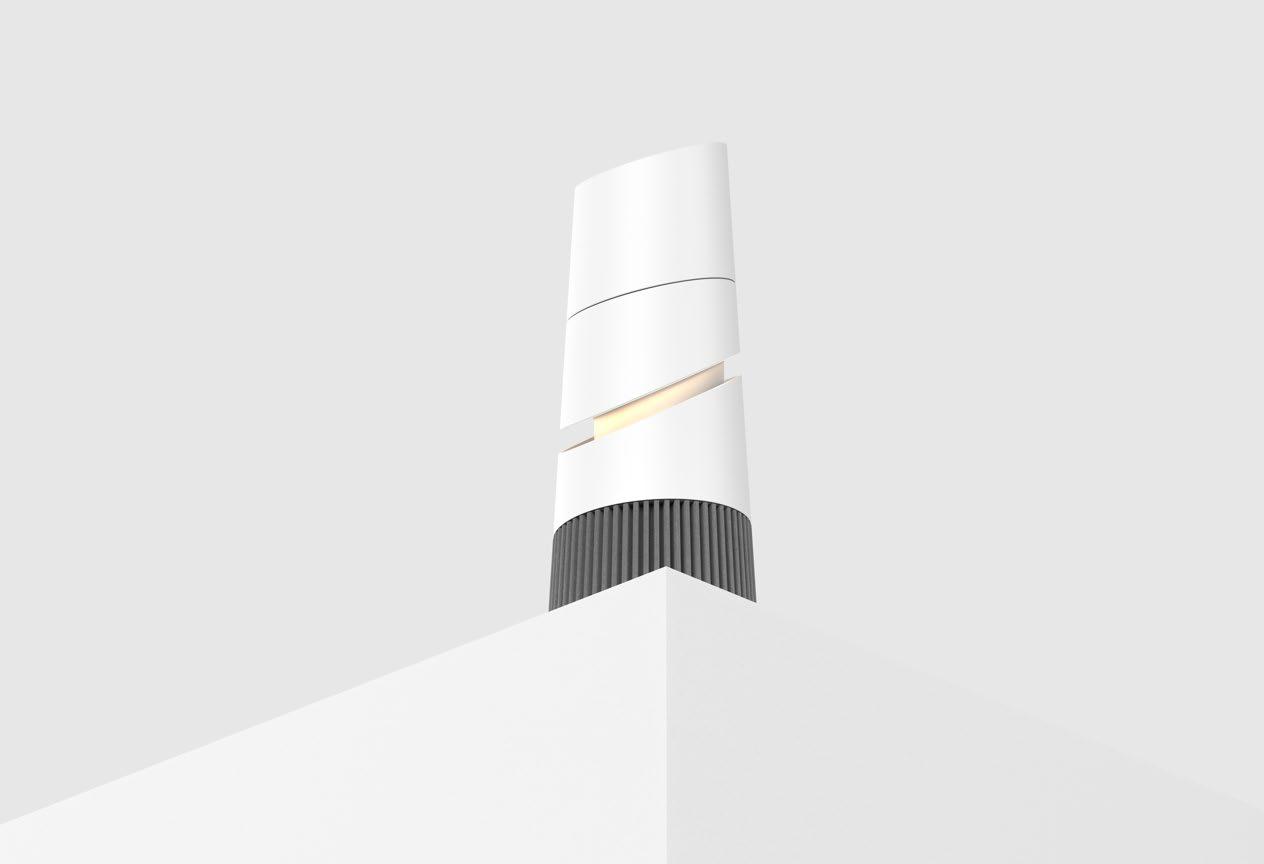
Memor — prototype on surface
Robotics Design Project · TU Delft Year 2 2024
MEMORY
ROBOT
Robotics Healthcare Product Service System
01
Problem

Project Brief

Elderly people living independently increasingly forget daily routines and medication, placing a growing burden on overworked caregivers. Memor is a robotic home assistant that automatically dispenses medication from a standard baxter roll at programmed times and uses voice reminders to support daily routines. By reducing reliance on human caregivers, Memor helps older adults retain their independence for longer.
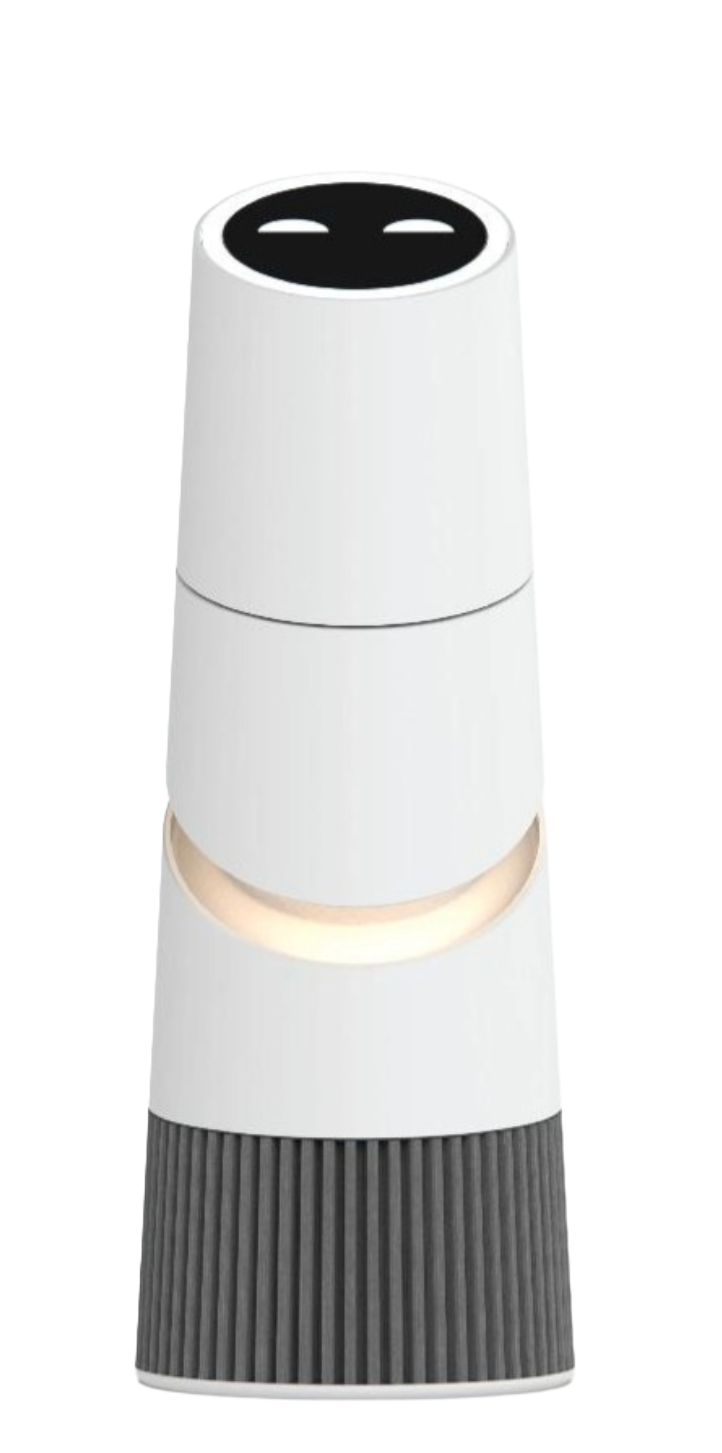
Final Prototype

Memor final prototype — three-quarter view render
01

A Robotic Companion for Elderly

The Memor prototype integrates a baxter roll dispenser within a compact, approachable form. At set times it dispenses the correct pills, presents them to the user, and delivers a spoken reminder. Through the use of an AI model and a scale in the dispensing area, the robot reports to the patients' caretaker about pill taking behaviour, and makes sure to request a new baxter roll on time. A face and a smart lighting ring are added to make the robot appear more alive and friendly.
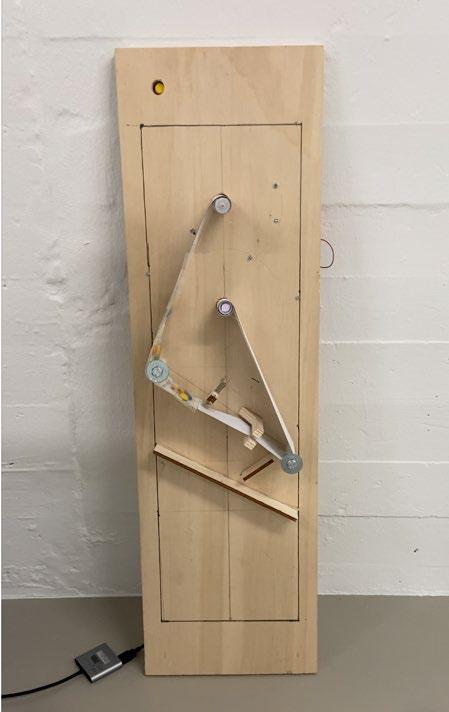
Memor internal mechanism — blade and slot detail
02

Internal Mechanism

Inside of the Memor is a motorised blade-and-squeeze system that cuts individual pill pouches from a baxter roll and pulls them through a small slot to push the pills out into the dispensing area. The mechanism, like competitors, meets a 99.5% dispensing accuracy requirement, and a lithium-ion battery backup ensures continuous operation for at least four days during a power outage.
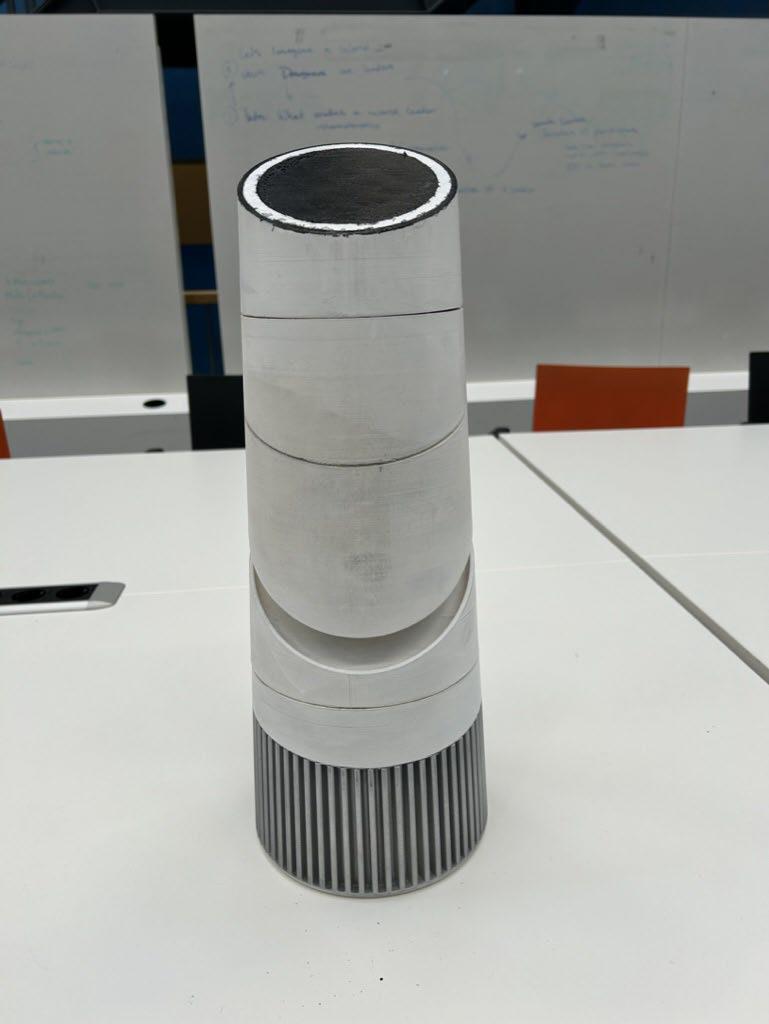
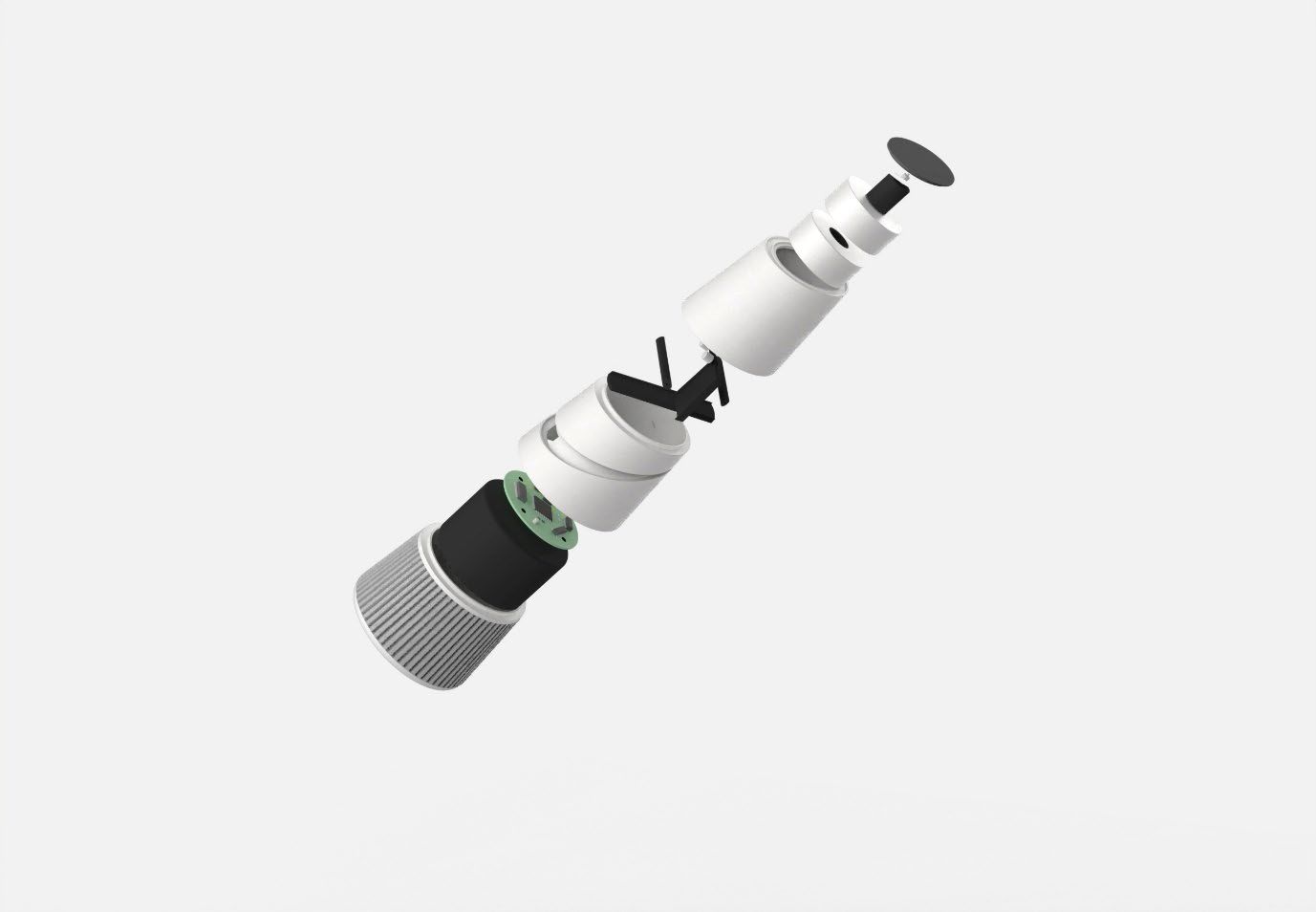
Internal Mechanism

03
Design Outcomes

Key Highlights

Medication-taking behaviour tracking The memory robot can (if the user wants to) track medication-taking behaviour of the user, and communicate this to the doctor. This can help explain medication ineffectiveness.
4-Day Battery Backup A Lithium-ion battery ensures Memor continues operating during power outages for a minimum of four days.
Voice-Guided Reminders Users can talk with the built-in Empathic AI that activates on a trigger phrase, and reminds elderly users of routines and medication in a friendly, conversational tone.
Integrated as a Service Memor is designed as a product-service system with a lease model, including end-of-life recycling via the care provider.
Deep-Sleep Energy Saving A deep-sleep mode reduces standby energy consumption by approximately 50%, lowering the overall carbon footprint.
04
Reflection

Points for Improvement

Social Contact Risk An autonomous reminder system could reduce meaningful interactions between caregivers and elderly users over time.
Technology Acceptance Some elderly users are resistant to technology. Careful onboarding and trust-building in the robot are required in the service design.
Carbon Footprint Electronics and battery production carry significant environmental cost. The robot saves on fuel use of caregivers however, and deep-sleep mode and responsible sourcing partially address this too.